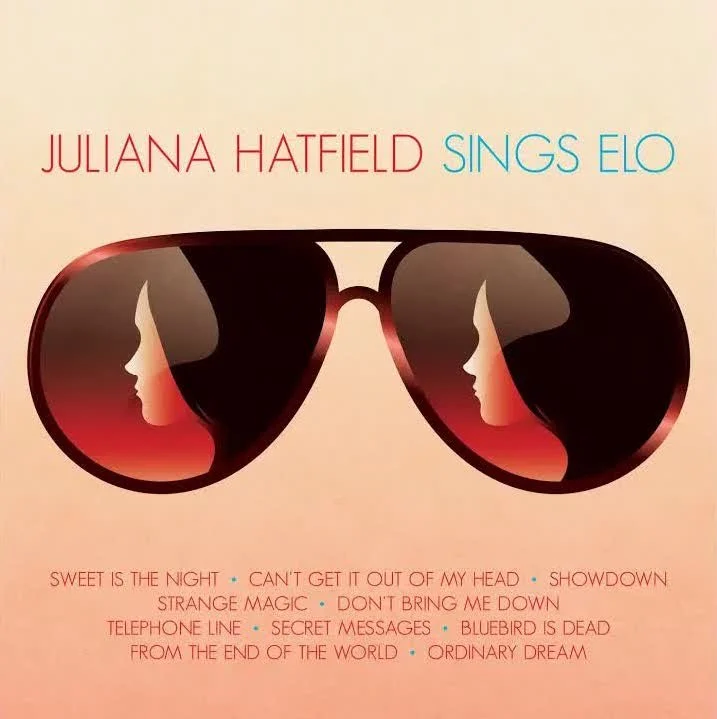
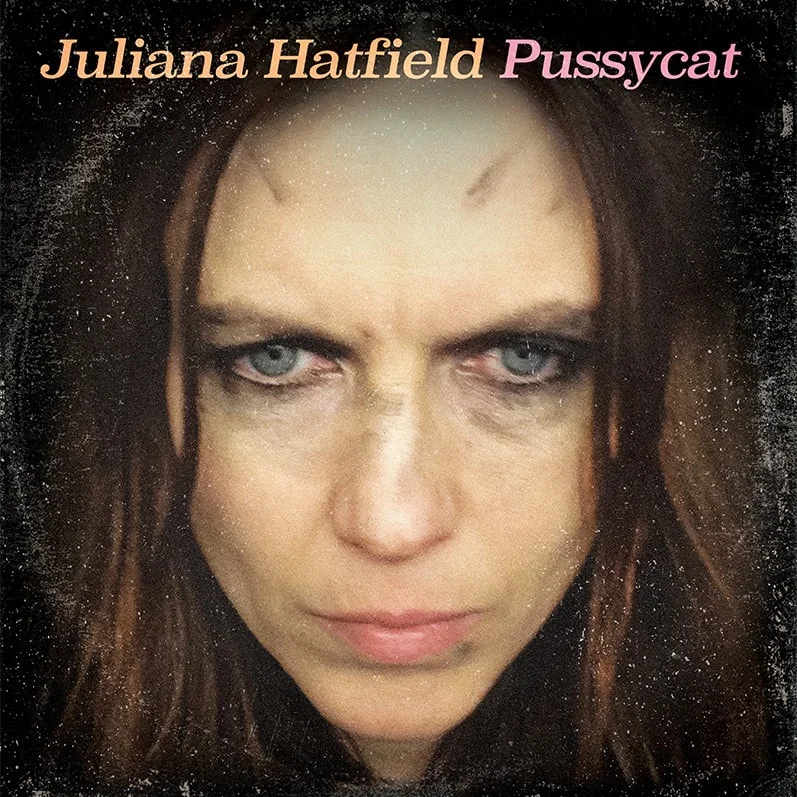
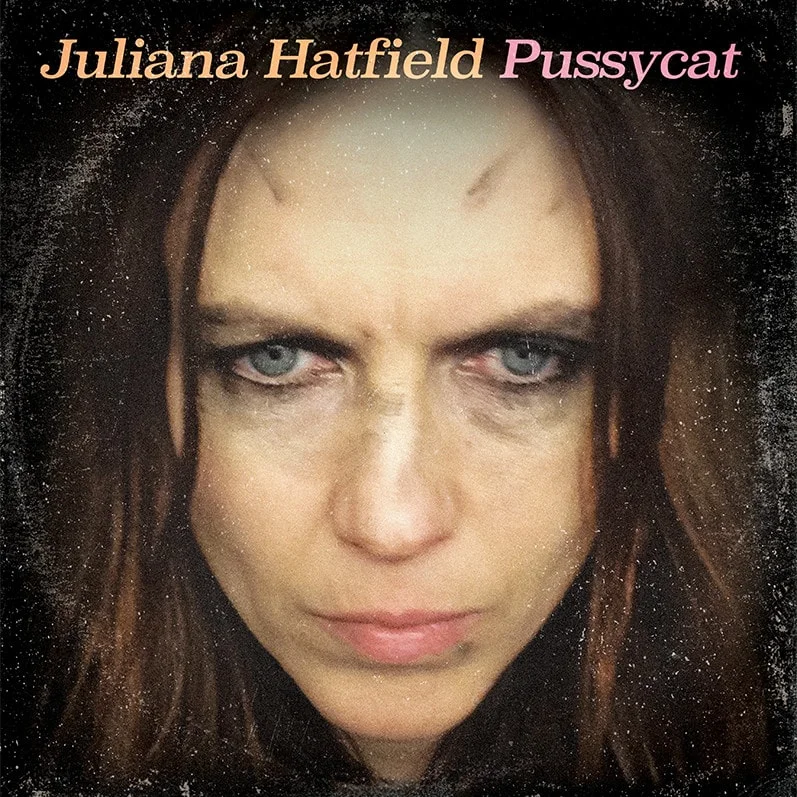
Juliana’s new ELO covers album is out now, available on the major streaming services with further physical options via American Laundromat Records and Bandcamp.
A selection of the reviews:
…her strongest tribute album yet; it may be one of her strongest records ever
The one-woman production preserves Lynne’s style yet dials down the theatrics to not quite garage band levels, making it one of the most successful outings in her ongoing covers project series.
The brilliance of choosing to cover a band like ELO, familiar to millions across generations, is that simply by taking out the synthesizers, an instrument synonymous with the band, and replicating those parts with guitars and bass (with a little piano added in here and there), the sound is still vaguely familiar but redefined for another genre. The result is impressive.
The indelible guitar hooks and high-gloss melodies of ELO shine through most on “From the End of the World,” though. Hatfield nails that deeper-catalog track and a few other career earworms from ELO, but her overall style is locked down and less theatrical than even her own recordings.
There’s a string of particularly gruesome names during the second portion of the work. However, during these, it becomes more obvious that, though the songs are shrouded in the carnage, they are really about trying to be a nice and caring person in an increasingly tense and violent world.
Blood is an undeniably fun album brimming with indie-pop sensibilities and anthemic energy that makes listeners want to sing along. But what lines they’d sing!
The album pulses with beeps, fuzz, distortion and random video game sounds. A song can sound melodic one minute and sound like crushed cans the next. It all works with the tone of the record.
with thanks to Carlos Lopez for sourcing many of these links
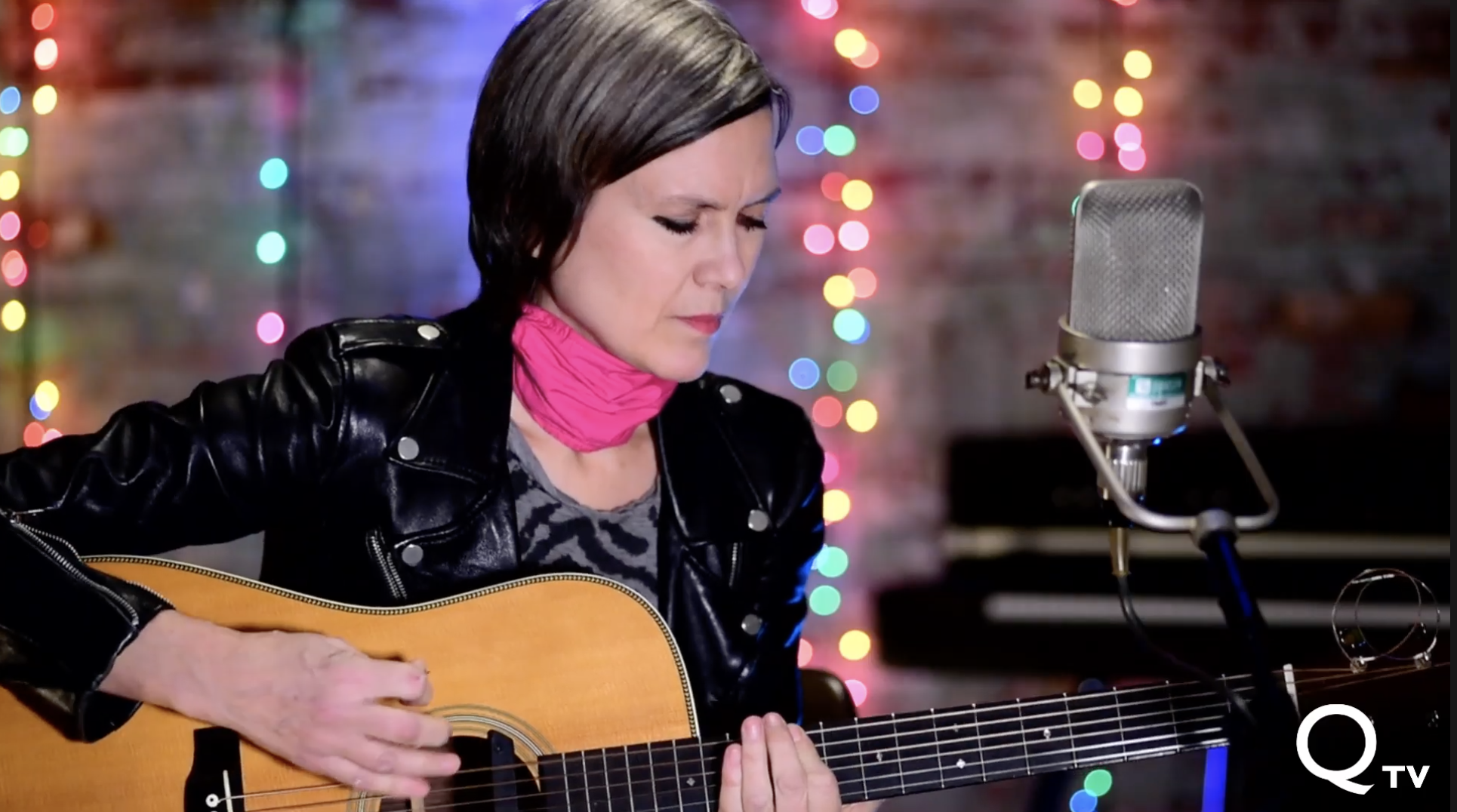
Internet shows like this can deliver those little things that are often lost or inaudible at a traditional show; guitar tuning, commentary and asides that an audience is not always privy to or the words get lost in the space between the artist and PA system. What artists maybe don’t realise is that the audience knows pretty well how you sound singing, but we also love to learn how you talk, and what do you say?
Lene goes on to account some of Juliana's between song chat.
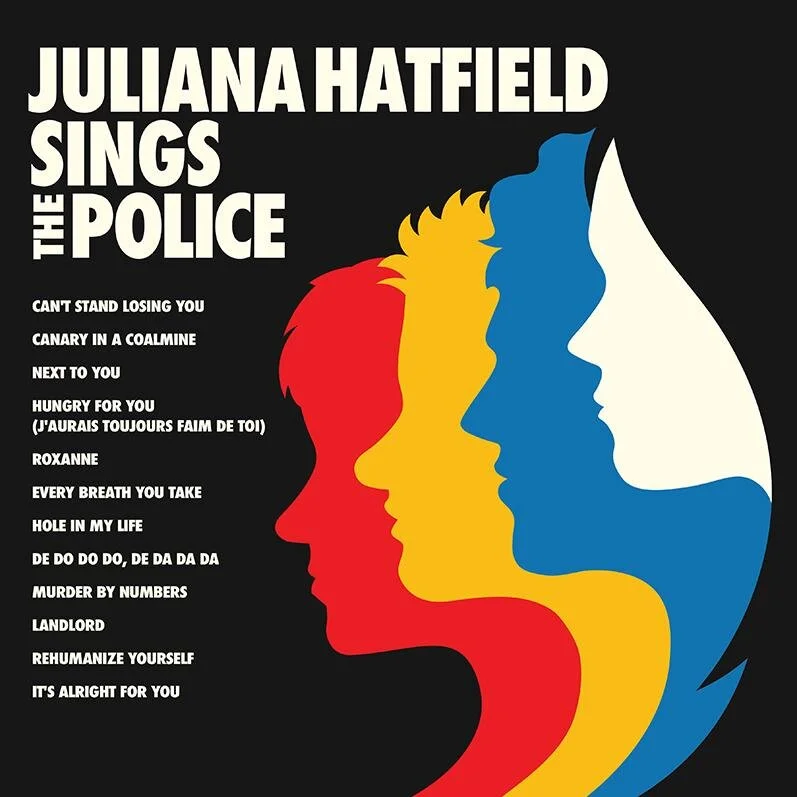
As Juliana Hatfield has demonstrated, the Police songbook is wide and varied enough to be open to endless interpretation. As she has demonstrated with this album as well as the Olivia Newton-John project, she's a musician who is dedicated to paying tribute to the music of her youth and finding new and interesting ways to present it.
You will not at any point feel like you’re hearing The Police for the first time while Juliana Hatfield Sings the Police streams on your laptop, but you will feel like you’re hearing them from a new angle.
Among the best versions is “Murder By Numbers,” originally a jazzy tune also covered that way by Frank Zappa, which sounds here like it’s been adapted for a remake of “A Clockwork Orange” as Hatfield emphasizes the song’s violence and dread over its morbid humor. “Hungry for You (J’aurais Toujours Faim De Toi)” turns into a high speed J.J. Cale track with some very Cars-like keyboards near the end, while “Next to You” seems to have arrived straight from the early 1990s indie craze.
Hatfield’s choices are an intriguing mix of hits like “Roxanne” and “Every Breath You Take” with less iconic tracks such as “Landlord” (an obscure B-side) and “Rehumanize Yourself,” a deeper cut from Ghost in the Machine, the latter two played close to the original versions. The project is more intriguing the further Hatfield strays from how the Police recorded these songs, such as when she removes reggae touches from “Hole in My Life,” infusing it with a far darker tone.
Exploring the less familiar material brings up a greater consistency in terms of invention and hooks. Hence, lots of imagination and charm comes packed into effervescently bouncy skanks through ‘Canary in a Coalmine’, ‘Hungry For You’ and ‘(J'Aurais Toujours Faim De Toi)’; a swirling spin through ‘Hole in My Life’; an effects-heavy warping of ‘Rehumanize Yourself’; and terrific punk-meets-college-rock stomps through ‘Murder By Numbers’, ‘Landlord’, ‘Next To You’ and ‘It’s Alright For You’.
Rolling Stone calls my brand-new album of Police covers \
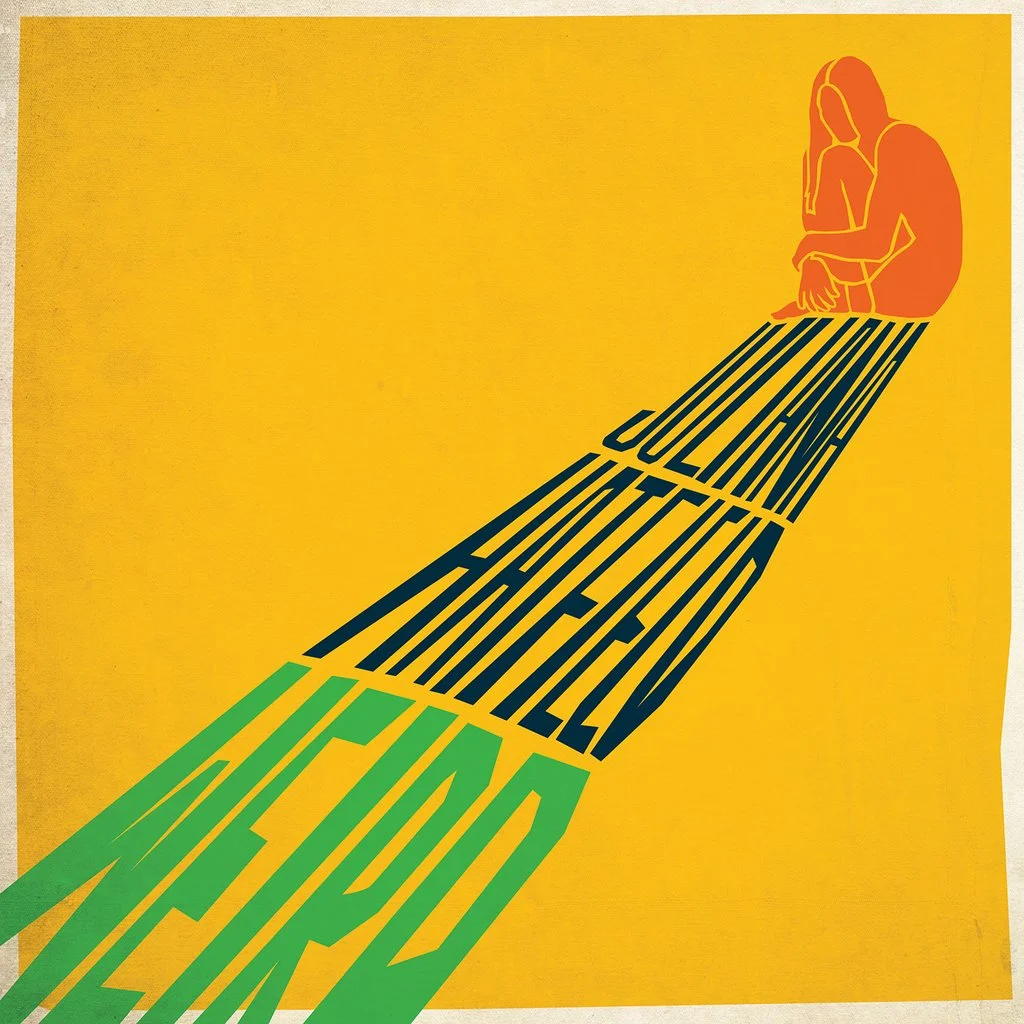
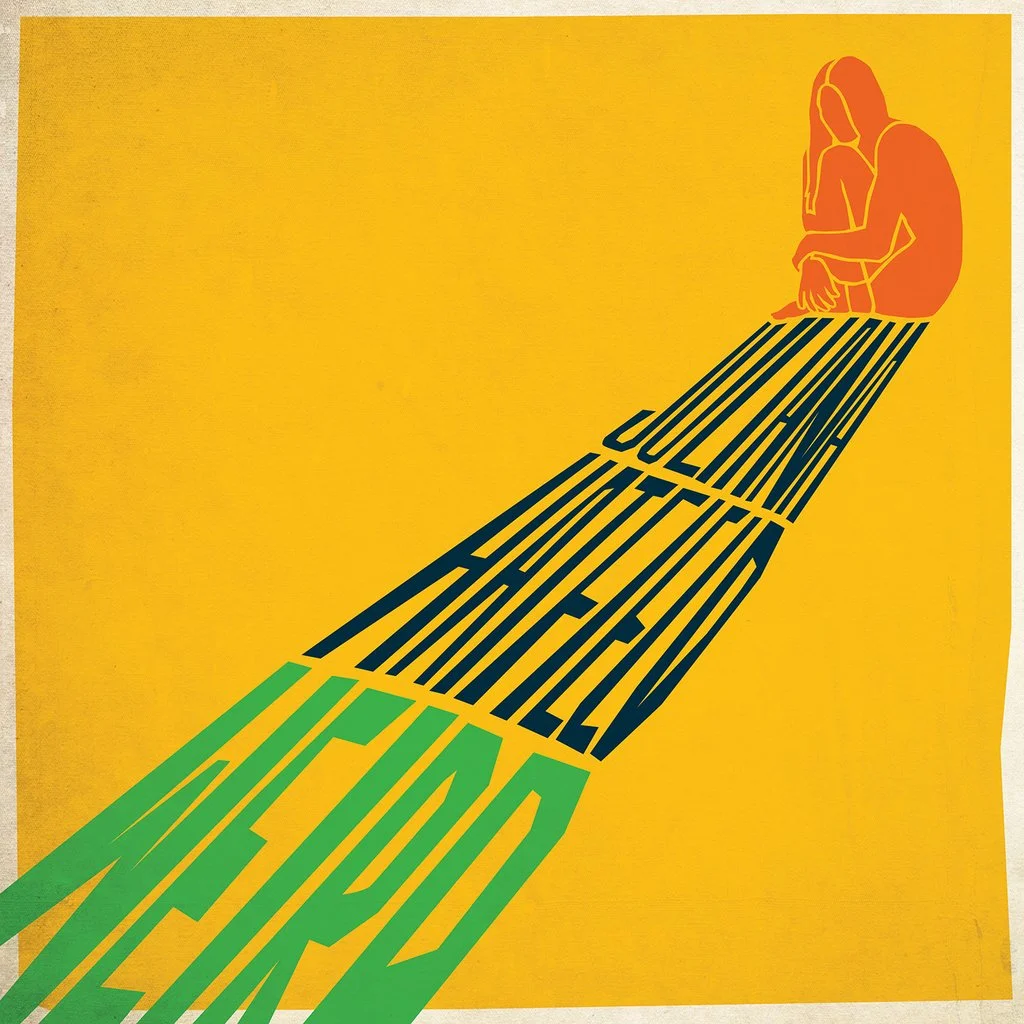
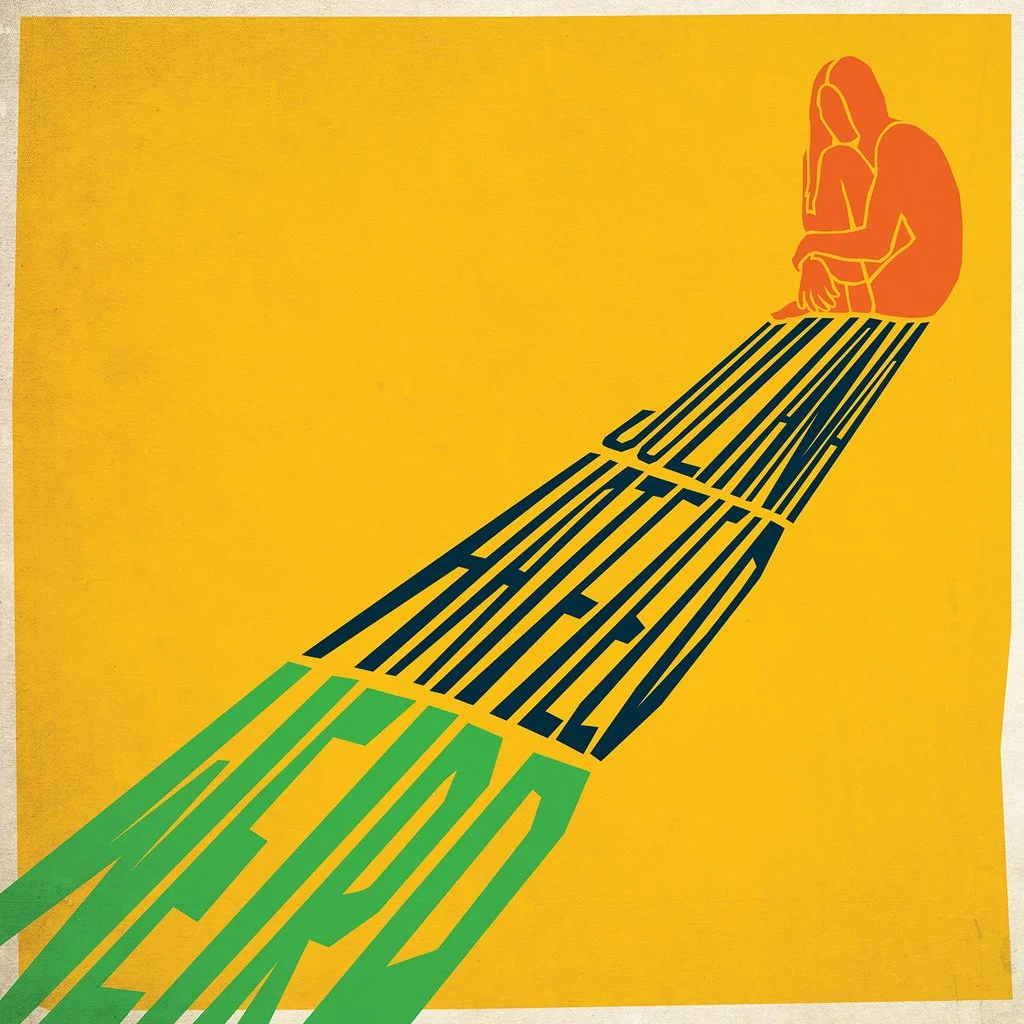
The truth of the matter is that Weird is a guitar record. Hatfield is the real deal. She can give you the hollow echo of Jerry Garcia, the pre-grunge sludge of Crazy Horse and the pop drive of Girlfriend-era Matthew Sweet. But make no mistake, Hatfield has her own unique guitar sound, and she lets that sound rip through this entire record. The best example of this is on the stunning track “Lost Ship.” She sings: “I wanna ride in a spaceship in my mind.” Just when you settle in to that pure sugar buzz a blistering guitar arrives halfway through the song—it’s lush, fuzzy and atmospheric with plenty of precision. It drives the Hatfield sound safely home.
Weird is the sound of an artist embracing herself and who she has become with pride and grace. It’s a refreshing and reassuring listen for anyone who has ever felt like an outsider. Weirdos of the world unite.
In all, listening to Weird brings to mind Hatfield's 1995's album Only Everything. Coming after her breakout album Become What You Are, with The Juliana Hatfield Three, Only Everything took the mold and stretched it. The melodic touch and lyrical examination remained but there was something new, something more eccentric, something, to steal her own album title's word, weird. The pleasures of Weird reward frequent listening. It is an album that begs repeating as soon as one reaches the last bouncing notes of "Do It to Music."
...Weird provides an apt analogy for those who feel out of touch with a world that’s so askew. To some degree, it should also provide assurance for all those who feel the same.
The hooks are still there on songs like “Receiver” and on “Lost Ship,” but Hatfield seems determined to show us another side and it’s all wonderful in its representation. Whatever compelled Hatfield to return to releasing music on the regular, we welcome it if albums like Weird are the end result.
On Pussycat, from 2017, Hatfield wrote captivatingly horrible songs about Donald Trump that included a graphic vision of him having sex and a demand to melt Kellyanne Conway’s face off. Weird turns inwards, detailing the 51-year-old’s enduring awkwardness with a self-effacing candour – expressed in her forever young voice – that matches youthful successors such as Snail Mail and Soccer Mommy. Her hair’s not right; her shirt is stained. Everything’s for Sale lists society’s shopping list (“altered DNA, self-cleaning ovens”) over a stubborn, choppy guitar that intimates Hatfield’s refusal to sell out.
Weird is an infectious listen with perhaps the deepest batch of winning melodies in Hatfield’s career, and fine, world-wizened lyrics that capture the feeling of helplessness and confusion endemic to modern life. In a strange way it feels to me like a distant answer to Liz Phair’s 20-something provocation Exile in Guyville, confirming that we’re still expats and that the strange/awful feeling in your stomach is perfectly normal.
Feelings of being out of step with the world emanate from the mellow track “It’s So Weird.” Between the sedate classic rock influenced chord choices are stories of awkwardness and relations that have gone sour over time, sung for all to hear like a big celebration of the alienation. This uneasy mellowness continues on “Sugar” as Hatfield croons “Sugar, I hate your guts, Sugar I love you so much” as the acoustic guitar picking seems to quote George Harrison’s “Here Comes the Sun.”
Hatfield closes out the album with “Do It To Music,” a comment on her rebellious attachment to music: “When I wanna block out the world, I do it to music.” She lets us in on her secret coping mechanism, her self-instructed education, her infinite mentality. Music just might be the universal language that we can all understand.
Weird is ultimately about the ties that don’t bind and the binds that we find ourselves in, whether romantic or personal, and Hatfield seems like the best candidate to deliver that state of the (dis)union.
Most of us received our physical copies over the last couple of weeks from American Laundromat Records. The album is now out on your streaming and download services of choice too.
Here's a selection of the reviews from recent days:
Nearly two years later > [after Pussycat]> , with other projects mixed between, Weird is no less powerful, and the topic—Hatfield herself—is no less important. The melodies on Weird are more inviting, even if the topic is more personal and cathartic.
Explorations of threats from the outside world fill up “Weird.” And Hatfield sets them all to her expected, absurdly consistent hooks and bright, tight melodies. She has written plenty of personal songs in 30 years (over nearly 30 albums from half a dozen bands), but this one shines in the hot spotlight of intense intimacy. Sometimes over sad chord changes, more often over sparkling indie pop, she sings about wanting to be alone, the comfort of a solitary life.
...with Weird, Hatfield has impressively channeled a potent combination of her trademark angst and a ‘singer/songwriter’ vibe into what is easily her strongest batch of songs in a decade
Hints of everything good about rock music here, from the Crazy Horse noodling that ends “Staying In” to the new wave synth hits of “Sugar” to the chunky Cheap Trick chords of “Paid To Lie.”
Juliana Hatfield already has a fan base full of extremely devoted fans and there is absolutely no doubt that they will love this. What’s really interesting is just how relevant and current her sound is (even though it follows a style she has had for years). Given how huge an act like Courtney Barnett has become, it makes you think that this release could attract a whole new group of younger fans.
...two highlights are All Right, Yeah and Do It To Music, both joyous testaments to strapping on headphones and dancing alone to make everything a whole lot better
At its best moments, the album finds Ms. Hatfield paying respect, but not fealty, to Ms. Newton-John’s familiar versions. Its best cuts—including “Dancin’ ’Round and ’Round” and “A Little More Love,” both from “Totally Hot”—call to mind not the originator, but the bright side of Ms. Hatfield, thus liberating the recording from the glum responsibilities of a nostalgia exercise.
Pop supernova Olivia Newton-John and alt-pop heroine Juliana Hatfield both possess winsome sopranos, and this delightful album filters Newton-John's biggest hits through Hatfield's slightly grungier sensibility. Hatfield's obvious affinity for the source material is evident throughout, with her coy take on the late-Seventies smash "A Little More Love" and her heartfelt version of the Grease showstopper "Hopelessly Devoted to You" being particular highlights.
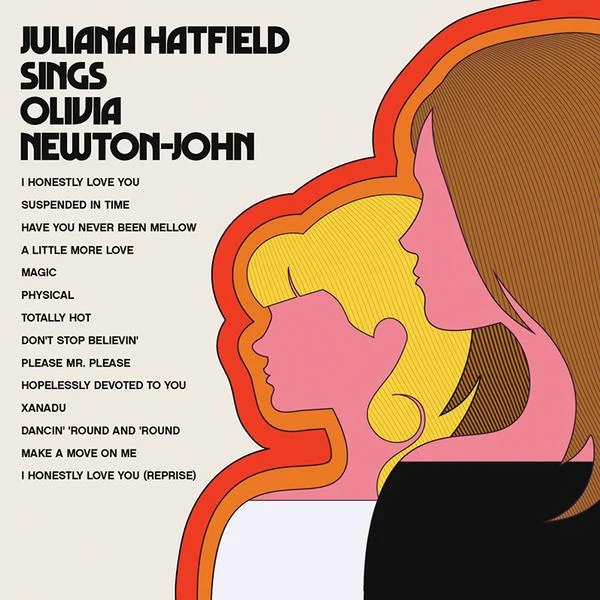
This album’s niche, then, but not pure gimmick. You might need to love both women to truly love this album, but you wouldn’t be disappointed if you were a fan of either, or even a curious bystander. Respect to Hatfield for being so hopelessly devoted to Newton-John and full marks for the cover art which does a good job of capturing the vibe.
If you’re a fan of Newton-John’s or Hatfield’s, there are plenty of reasons you’ll want to put this record on and bask in its thoughtfulness. If you’re not familiar with either but appreciate an intuitive, talented artist giving voice to a batch of compelling compositions, this album’s for you too.
That new take on old songs works best where you might least expect it. Hatfield’s version of “Physical” is fun, where the original was kind of annoying. A reworking of “Xanadu” dials down the gloss just enough to let the subtle, fuzzy guitar give the undeniable earworm of a song an interesting twist. Same with “Hopelessly Devoted to You” and “A Little More Love.”
Hatfield has internalized these songs and their artist in a thousand bedroom and car singalongs, and filters them through the original artistry they helped inspire. The contentment of “Have You Never Been Mellow” retains its optimistic mid-70s introspection while being deepened by Hatfield’s additional decades of life experience, and “Hopelessly Devoted to You” could just as easily be Hatfield singing about Newton-John as it was Sandy singing about Danny. This is a treat for fans of both Newton-John and Hatfield, and the only thing missing are some Grease photo cards to stick inside your locker.
There's a great mix of reverence and alt-rock on this record, which moves Sings Olivia Newton-John from an idea that was better in planning than in practice onto a different level. About two or three songs into the album, you'll forget that it's a "concept" album and just enjoy it for what it is—a really strong collection of songs that just happen to come from an unlikely source. Now all we have to do is wait for the Olivia Newton John Sings Juliana Hatfield album.
Juliana Hatfield Sings Olivia Newton-John is released today by American Laundromat Records. It's available on the major streaming / download sites, and on cd, cassette and vinyl direct form the label.
Hatfield says in her liner notes that she has always found Newton-John’s work inspiring and positive, and that completely virtuous stance shines through in her interpretations of it: there’s nothing cynical or kitschy in her choice of artist. Unlike the usual goofy ‘70s covers many bands choose, there’s absolutely no irony here: instead, Hatfield successfully injects her vision into ours, so that, at the end of the record, rather than dismissing her, we learn to have that same kind of faith in her too.
If I had not known this was an album of ONJ songs I would swear the rocking “Totally Hot” and “Make a Move On Me” were Hatfield originals. If you ever listen to Hatfield’s music, then you know disco is far from her sound, so I was curious as to how she would handle the tunes “Magic” and “Xanadu”. Staying true to the originals she nails both giving them a hint of the disco vibe while grounding them with perfectly placed guitars.
Aside from a sped-up “Dancin’ ‘Round and ‘Round,” the arrangements hew close to the originals, though the pop and pop-country overtones are replaced with the punky pop-rock embellishments that have long accented Juliana’s work. Electric guitars are often at the fore – even on the opener, “I Honestly Love You,” which is raw and real.
The epiphany: These songs are as much a reflection of Juliana’s soul as her own compositions. It’s “This Lonely Love” brought into the open for all to see and share.
The 1980s and the 1990s may be both heralded as prolific and proficient ages of music in terms of outputs and stylistic diversity. Taking this into consideration, Hatfield’s homage to Newton-John is a completion of a circle. It is, therefore, a doubly worthy contribution to the 2010s own streak of musical greatness that is surely to be hailed in the decades to come. CrypticRock gives Juliana Hatfield Sings Olivia Newton-John 5 out of 5 stars.
With “Juliana Hatfield Sings Olivia Newton-John” (American Laundromat), Hatfield not only showcases the sturdiness of Newton-John’s undeniable catalog, which spans country, pop and rock, but by amping up the edges serves as a reminder of the barriers the Aussie singer broke through in the ’70s.
For longtime Newton-John admirers, the 14-track collection will take ya on a friendly-feeling trip down memory lane. However, it’s the non Newton-John fans – the young folks who weren’t around back in the old days, as well as Hatfield’s fervent followers, who will reap the greatest joy from this set, as it stands tall on its own, simply as a solid, new rock release.
Juliana was instrumental in that scene; being part of The Lemonheads and Blake Babies; releasing her debut “Hey Babe” in 1992 then forming the Juliana Hatfield Three in 1993 releasing “Become What You Are” on Atlantic Records. Since then Juliana has released an incredible array of music both electric and acoustic but always with melody and great riffs at the heart of it. “Pussycat” definitely follows the trend of not only well produced tuneful rock, but with hard hitting subjects which Juliana is so good at writing; Juliana is not afraid to tackle issues or put the boot in if she feels it’s necessary! I have read that Pussycat is an angry album, even her “angriest ever”. I see it as a mix of social commentary on the state of the American political scene and some angst, something that has been disappearing from music in recent times in the mad scramble to sound conformist and make as much money as possible.
There's a 45 minute audio interview with Juliana at the end of the review which concludes with Burnette asking about the prospect of future European shows. Unsurprisingly there are "no plans", Juliana citing the 2014 Minor Alps tour as particularly exhausting, but as always she says nothing should be ruled out.
Juliana Hatfield at The Mercury Lounge, New York - April 26, 2017. Photo: David Young
The Pussycat tour came to an end on Monday. (At least for now - Juliana has mentioned further dates are possible this summer in other parts of the US and Canada.)
Thanks to all who have written and contributed across the JH fan community during these hectic few weeks. Pussycat would seem to be one of Juliana's best received albums in recent years.
Very special thanks once again to this site's contributor-in-chief Carlos Lopez for many of the links that have been posted.
If you've missed David Young's photos, they're now all collected in the USA 2017 section.
Here's a selection of live reviews, some with photos and the odd clip:
She kept her patter brief (and warm and heartfelt) between numbers Saturday night, launching relentlessly into non-stop fury and bared pain tempered occasionally with introspective numbers like the new “Wonder Why,” in which she revisited childhood dreams. “I wonder why the aliens who landed on the roof left me there / and didn’t take me to the sky,” she sang. Even if you couldn’t make out the lyrics, you could tell how honest, these songs were just by the passion and openness with which Hatfield sang, attacked her guitar, interacted with her fans.
During the set Philips and Fisher provided a steady percussion session. Fischer sang back up on some of the songs. Hatfield and the band were very connected and they played off each other well. Since it was the first night of the tour fans got to witness some moments where the band had to change some things up and work some things out and it showed the authenticity and realness of who these musicians are. The band did not have a set list per say they were playing songs they loved and a variety of over the year tunes.
The Juliana Hatfield Three delivered a loud, sweaty and raucous show at the Boot & Saddle in South Philly last night. In fact, you could say it was a night of true grrrl rock (it is the Pussycat tour, after all). The 20-song set opened with a ferocious “Got No Idols” from Become What You Are. As evidenced by the video, Todd Phillips was a monster on drums, Dean Fisher equally brutal on bass and Juliana – well, Juliana was Juliana, full of grace, grit and growls on guitar and vocals.
The band covered a lot of ground for one evening, noting early in her set that they’d try to touch on several eras from her storied thirty-year career. Though she mixed in so many fan-favorites like “My Sister” and “Nirvana” from the early ‘90s, she was sure to put some distance between then and now too. Tribute paid, and pigeonhole avoided.
On the evening’s best, it all came together, expertly driven by the terrific rhythm section of bassist Dean Fisher and drummer Todd Philips. “Touch You Again” from the new album was the pay-off tune, an enticing melody, a psycho-sexual political statement, and a swinging delivery.
Generating 14 songs and getting them recorded and mixed in less than two weeks (she plays all but the drums), Hatfield said she felt driven by forces beyond her control and described the process as “cathartic.” It has that same feel for the listener, too. I haven’t felt this much righteous indignation from a record since Zach de la Rocha screamed, “Fuck you, I won’t do what you tell me” a quarter century ago.
I could go on and on (and on) with my thoughts about Pussycat, but instead I’ll say that I haven’t wavered from the sentiment I shared in my review of Juliana’s Philly concert: It’s excellent. Fans (new and old) who share her outlook on politics and life will thoroughly enjoy it, though some may be put off by the blunt imagery in some songs. It’s a claws-out affair that draws blood and trades, at times, in the profane (as this Paste Magazine review details). There’s an energy and drive to the performances that’s as palpable as the passion dripping from her vocals; and the lyrics (archived), with a few exceptions, are soaked with anger, indignation and bitterness.
Pussycat lends to the case for a critical reappraisal. Now would be an ideal time for one, given how the DNA of Hatfield’s hooky, plainspoken alterna-pop has carried through some of indie-rock’s sharpest young songwriters, from Waxahatchee to Bully to Laura Stevenson and Charly Bliss—artists that have demonstrated there’s plenty of substance in this sound. What a treat it would be if, 30 years into their careers, they were all making records as relevant, passionate, and strangely personable as this one.
What makes Pussycat an unqualified success is how Hatfield has constructed it with multiple dimensions and, no matter the mood or approach a given song takes, she continually scores with material among the finest of her career. The ruminative “You’re Breaking My Heart” and “Sunny Somewhere” bleed sublimity, highlighted by Hatfield’s lean guitar work. Never outing Trump by name, “Short-Fingered Man” and “Rhinoceros” tissue-thin veils are shredded through by Hatfield’s crudest lyrical jabs and ballsiest riffs to date. The one direct salvo is launched at Stepford Wife-cum-senior presidential adviser Kellyanne Conway, her namesake tune featuring Hatfield’s deliciously intimated desire to “be the first one to make [her] cry” and a downright danceable coda.
If songs are the ultimate basis of an artist’s ability to balance youthfulness and maturity, then Pussycat finds Hatfield well in the middle of this equilibrium.
Playing all instruments but drums, Hatfield completed Pussycat in under two weeks. That urgency comes through, to the album’s benefit. The immediacy of the melodies—simpler and scrappier than she’s written in years—paired with the snarl of the arrangements, gives Pussycat a rumbling, cathartic honesty ideal for the anger of our times.
The fast guitars and drums are not quite punk, but Hatfield’s political stance surely is. What initially is only conveyed through a couple of the song titles, such as “Kellyanne” and “Short-Fingered Man,” a closer look into the lyrics reveals that pretty much every song on Pussycat is political. Apparently Hatfield was pissed, and that fact is obvious throughout the entire album, even while masked with a soft, monotone and placid voice. The instrumentals complement the lyrics almost perfectly, while still walking on the tightrope of acceptable pop music. Hatfield’s album speaks out without being mundane, whilst hurling obscenities, which help to accentuate the mere point she tries to get across: politics are important and the current administration sucks.
Aggressive in spirit, but catchy enough to entrap, Pussycat is uncomfortable reflection on where we are today.
These are indeed comfortable days that we wake up to. As such, expect plenty more records to come down the pipeline that showcase individual perspectives on why things feel the way that they do.
Hopefully, each and every one of them will be as raw and honest as Pussycat is.
...the end product is one of Hatfield’s highlights as a solo artist. Heartless and Touch You Again are as energetic as any of the music produced by Blake Babies well over 25 years ago and there’s a renewed assurance in both her vocal style and delivery throughout. With a snap general election being announced in the UK, it’ll be interesting to see if any British artists follow this example and even more interesting to see if they can pull it off as well as Hatfield has done with ‘Pussycat’.
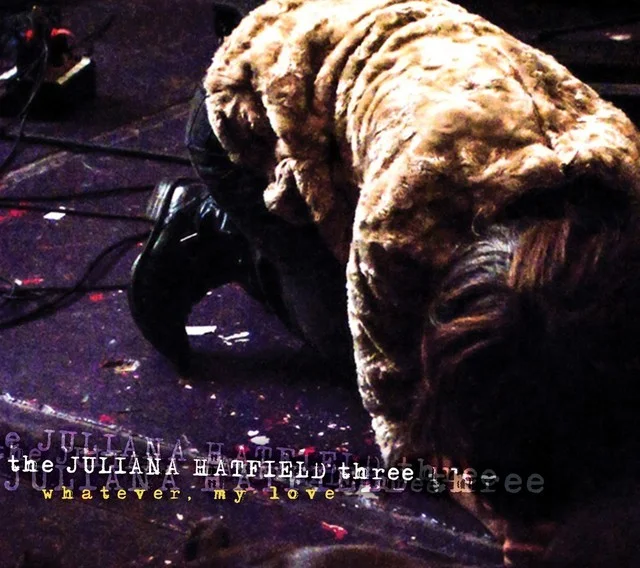
The promotional text for Pussycat's release suggests that by the end of 2016 Juliana was unsure of her songwriting future - to the extent that she considered that part of her career as "on hiatus." Her recent output tended to support that - 2015's Whatever, My Love record as The Juliana Hatfield Three was almost entirely old songs reworked, 2016's The I Don't Cares album was mainly Paul Westerberg songs with Juliana as muse, and while there's talk of new Blake Babies songs to come, she wouldn't be the only writer in such a project.
That Pussycat exists is however no surprise to those of us following Juliana's Twitter account towards the end of 2016. There were frequent tweets - almost entirely focused on the Republican candidate - in the weeks leading up to the election.
Juliana's disbelief, anger and fear of what seemed to be happening and what ultimately unfolded was clear. (For me and I suspect many other Brits the familiarity to emotions experienced in our EU referendum six months earlier was unavoidable. A different set of circumstances but a shared feeling of unprecedented horror.)
It seemed inevitable that Juliana needed more than Twitter to act as an outlet for her feelings and in January 2017 she posted photos from a recording studio on Instagram:
"Some of the music I had lying around, the bits and pieces of chord progressions. When I had these lyrical ideas and when I started to feel like I needed to express these feelings, I went looking for the music and put the songs together very quickly."
Pussycat isn't framed as an anti-Trump record but the fallout of the 2016 US Presidential election is all over this album. There are lyrics and song titles unambiguous in reference to the 45th President.
I Wanna Be Your Disease opens the LP with calls for accountability, a desire to see that the actions of poisonous evil are answerable:
I want to be your disease a catalyst for reckoning with all of the harm you have done to the earth and all of your vile and hateful words
The song hits a high key as Juliana reaches the lines:
I want you to listen to me I want to make you sorry
This sets the tone for Pussycat. Juliana has plenty to say. In every sense her voice will be heard.
In recent years, Juliana has explored more use of keyboards to harmonize and add melody. This continues on the album, no better than on You're Breaking My Heart which furthers the profound sadness at how society appears to have changed for the worse:
i slept so well down my quiet street knowing we all cared about the same things
The anger in Pussycat kicks in further with the dirty blues sound of When You're A Star which recounts the aforementioned "pussy grab" tapes and ties it in with the Bill Cosby case.
when you’re a star they let you do what you want whatever the fuck you want to do when you’re a star they let you do what you want buy the silence of your many tragic victims do what you want you’re protected by your sycophants and henchmen
Good Enough For Me has Juliana in self-deprecating mood although it seems a bit abstract and maybe at odds with overall direct themes of Pussycat. Cracker of a tune, mind.
It's obvious who Short-fingered Man is aimed at:
short-fingered man can’t get her off short-fingered man best give it up
The fast-paced Touch You Again has Juliana reaching for the high notes in a vocal performance reminiscent of her Blake Babies days. There's yeah yeah yeahs in it, which is never a bad thing. It's empowered. It's gorgeous.
Sex Machine talks of building a "sex machine to satisfy every single need - any time of day or night - you can turn it on an have a good time". As Juliana realises the liberty such a device would bring "finally I'll be free - left alone to sleep in peace..." the song explodes with maxed out multi-layered harmonic vocals, and some of the crunchiest guitar noises we've heard from a JH record in a long time. Juliana's fans are going to go nuts for this.
Wonder Why sees Juliana describe memories from her youth. As she told Consequence of Sound"It’s escapism and lately escapism is more important to me than ever. In my mind I go back there to my childhood and it comforts me."
pic.twitter.com/6La970ulrI — Juliana Hatfield (@julianahatfield) February 9, 2017
Heartless observes the erosion of empathy and increasing absence of humanity. Juliana may have one person in mind with this song, but the theme is global:
how can you care if you have no empathy how can you judge if you have no authority how can you tell the truth without honesty and how can you apologize if you’re not sorry
how can you see if you’re not looking how can you hear if you’re not listening how can you preach without believing and how can you teach if you haven’t learned anything
you’re so heartless
There's hooks, drum fills, a guitar solo, more use of keyboards, and a casual yet somehow urgent and compelling vocal. What a track.
Rhinoceros has a 70s glam rock feel to suit the brutal lyrics and the most instantly catchy chorus on the album. Fair warning - you might find that you're singing to along with "give it up for the rhinoceros. guess who’s getting fucked by the rhinoceros". The song references Melania from Slovenia but the callback of "America" tells us the whole country is getting fucked over.
Everything Is Forgotten is a particularly dark way to end the album and perhaps suitably so. Anger spawns anger. A thirst for revenge, for justice is inevitable in these times. There's luscious guitar noise and then, ultimately, defiance:
i'm not going to die a victim
Pussycat is magnificent.
It's full of lines you'll find yourself singing along with and for days afterwards. There are killer melodies, memorable riffs, exceptional keyboard harmonics, all helping to make some of the most inspired musicianship we've heard from a Juliana record in years. She hasn't sounded quite as energised as this for some time either.
This is all the more remarkable given that drums (Pete Caldes) and engineering (Pat DiCenso) aside (and not to diminish DiCenso's role here in particular), this is a truly solo record. Juliana wrote everything here and plays everything else. Repeat listens reveal more layers. It is an extraordinary work of intense, passionate, and accomplished art.
To this listener, it's a career highlight and the most exciting music Juliana has made since 2008's exceptional How To Walk Away.
Pussycat is also Juliana at her most political since 2005's Made In China. Whereas that album saw her defiant and ultimately empowered, Pussycat is an outlet for anger. Introspection gives way to a more outward looking theme. It's less "what the fuck is going on with me?" and more "what the fuck is wrong with other people?”
There's comfort in the power of music but the subject matter is unavoidably bleak. With this in mind I've deliberately omitted the 2nd song from this review until now, because Impossible Song is the most hopeful track on Pussycat. There's a sense of futility but hope isn't distinguished:
what if we tried to get along sing an impossible song figure it out later on
what if we tried to get along just for a four-minute song it’ll be all right if we harmonize on this line what if we tried to get along na na na na na na na
Pussycat is available in various physical formats - vinyl, cd and cassette(!) at American Laundromat Records, and digitally at Bandcamp, iTunes and elsewhere. The vinyl version is also available from UK distributor Cargo Records.
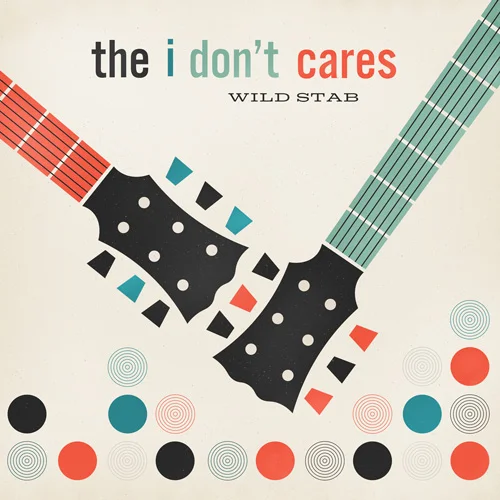
Here's some links to generally positive reviews for The I Don't Cares Wild Stab album.
Big thanks and credit to contributor-in-chief Carlos Lopez for sourcing these:
Often times, collaborations like this end up being a disappointment, but "Wild Stab" is filled with enough good music to make it worthwhile. Paul Westerberg sounds great. Not as great as he sounded in "14 Songs", but certainly better than he has sounded in recent years. And Juliana Hatfield's contributions are reminiscent of her work with Evan Dando and The Lemonheads. Their voices go well together. does, too; their ragged harmonies are sweet and living - reminding me a bit of Julie and Buddy Miller's - their voices belong together.
The album is lean and sexy with a one-take late-night vibe (described as "Donny & Marie with switchblades" in the liner notes) anchoring new rippers like “Wear Me Out Loud,” “ Dance To The Fight” and “Done Done Done.” The rustic cow-punk sound of the Los Angeles band X seems to be an influence here with the male and female voices melding to create one tough vocal.
Wild Stab is a jangly, jaunty, lo-fi sprawl. Its 16 tracks sound slapped together with a healthy coat of Mod Podge, delivered straight from a basement studio. Some songs sound remarkably similar to each other, while others stick out at odd angles. It’s as if fussing over an album would’ve made it seem too much like a “statement”; instead, Wild Stab feels like a couple of pals rockin’ out, having fun, and not worrying too much about the final product. That’s not to say that these songs are anything less than professional — Hatfield and Westerberg are too good to drop any stinkers.
This album has a punk edge to it, but it is informed by a bit of rockabilly soul. This almost plays like Westerberg’s Grandpaboy records with Hatfield’s voice thrown into the mix. “King Of America” is steeped in classic heartland goodness, while “Whole Lotta Nothin’” has an insistent drive. “Dance To The Fight” is one of only songs where Hatfield really gets center-stage, but she works the tough groove well. In the end, this record has an appealing ramshackle sound and showcases both performers well, even if it feels much closer to a Westerberg release than one of Hatfield’s records.
Some songs are good; some songs are great; and there are only a few that probably should have been left as outtakes. There are hooks and riffs and clever turns of phrase; there are bold declarations, and much quieter ones. There is so much to like on the record, and it’s tremendously accessible and listenable.
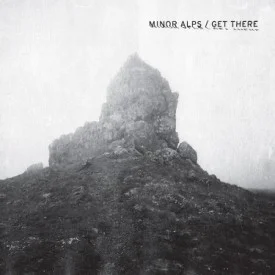
For my money, I much preferred Juliana Hatfield’s 2013 collaboration with Nada Surf’s Matthew Caws. The album is called “Get There,” and they recorded under the moniker Minor Alps. It is one of those albums that flew under the radar, and it should be given consideration by any indie music lover.
In no way do I want to make it sound like I do not like the “Wild Stab” release by the I Don’t Cares. I think it is a fine album. However, given the background of the two players involved, I was hoping for something a little more magical. What I got was a fun album to listen to by two of my favorite icons.
Every song is solid, with a couple of standouts in “Outta My System” a Replacement-ish tune, and “Dance to the Fight” where Hatfield jumps into the fray in fine style on a number that could have been played in any fraternity house, at any time, back in the day.
Hatfield’s contributions are hard to pin down, but they aren’t slight. Her lead vocal turn on “Dance to the Fight” is a natural for her voice. And her backing and duet vocals throughout the record are actually a great pairing for Westerberg. So much of this record sounds like the type of guitar play that has been typical of recent Westerberg albums that it’s hard to know exactly where Hatfield fits in – she does that good a job of fitting into the overall sound of the album. I can only imagine that they’d be endlessly amusing and fun to see perform live.
Opening tunes "Back" and "Wear Me Out Loud" are old Replacements outtakes that gracefully channel the Minneapolis singer's Don't Tell a Soul-era pop craftsmanship. Elsewhere, the duo tackle gentle alt-country ("½ 2 P," "Sorry for Tomorrow Night"), melodic power-pop ("Need the Guys," "King of America"), and indignant, rockabilly-tinged punk ("Love Out Loud," "Done Done Done"). Hatfield is front and center on several tunes, dueting with Westerberg on soft-spoken ballads ("Kissing Break," "Just a Phase") and taking the occasional lead. Most often, though, she sticks to the background, providing sweet harmony vocals and lead guitar throughout.
Another selection of recent reviews for Whatever, My Love:
Whatever, My Love, despite its plainspoken lyrics and shrugging title, doesn’t ignore the complicated in favor of these simple pleasures. In fact, in acknowledging the darkness on “Push Pin” or “If I Could” or “Wood”, the Juliana Hatfield Three argues that simple pleasures might be the hardest to come by and the hardest one. That is the central tension of the record, and one that keeps things taut even when “Invisible” runs through the chorus a few too many times or when songs like “Now That I Have Found You” bury the best elements—the jagged guitar phrasings—under other, sleeker production.
By marrying her wry, world-weary songs to the brighter, optimistic punch of the JHT, Hatfield winds up with a record that delivers a hard, immediate hit -- particularly on the cynical pop "Ordinary Guy" and grind of "If Only We Were Dogs" -- but leaves a lasting scar that's soothed by the melodies and that ringing, hooky pop that is often labeled as collegiate but now feels deeper and richer in the hands of rockers who never deny their impending middle age. In other words, it's the best kind of reunion because it's not only lacking in nostalgia, it shows that some things can be better the second time around.
Throughout her career, Hatfield's strongest work's emerged when she's clicked with her collaborators. She made magic with the Blake Babies. And she made magic with Fisher and Philips. So, for longtime fans, Whatever, My Love gives reason for optimism. And, of the album, Hatfield's said: "We haven’t totally reinvented the wheel or anything." Which is what you want to hear. She goes back to her earlier timeless sound, one that emerged from punk, and skips the saccharine singer-songwriter stuff.
It more than stands on its own as a wry, uncompromising, unapologetically jangly take on living with the general discomfort that comes along with being a modern human. And it’s reassuring to hear that, 20 years on, Juliana Hatfield still has just as much bite as the dogs she’s been singing about.
The jangle-rock numbers like “I’m Shy”, “Push Pin”, and put-a-smile-on-your-face “If Only We Were Dogs” particularly have catch, but there’s also some sweet sadness in songs such as “Invisible”, “If I Could”, and “I Don’t Know What To Do With My Hands”. There are some relatively not as good tracks – “Now That I Have Found You” is too simply cheery, while the processional rhythm behind “Woods” doesn’t work that well (and the guy described in “Ordinary Guy” seems pretty rare & hard to match…) – but it’s what you wanted from a revived Juliana Hatfield Three.
There are one or two missteps, the stuttering tempo of Wood doesn’t really work and the lyrics for Ordinary Guy, I’m Shy and the busy Push Pin are a little hard to listen to coming from a woman in her forties (“oh I want an ordinary guy”, “if only we were dogs it would so easy to be happy”). Much better are the more relaxed, sparser tracks. I Don’t Know What To Do With My Hands has the light charm of late period Lemonheads, and moody closer Parking Lots succeeds by virtue of being a departure from the rest of the album, giving the keyboards prominence with a rather muted vocal from Hatfield.
Whatever, My Love has reminded me how much I enjoy Juliana Hatfield’s music. While her solo material and endeavors with other artists hold their own merit, there is something to be said about the chemistry between Hatfield, Phillips and Fisher. They have been able to step right back into the Juliana Hatfield Three as if they were never apart.
What could have been a tired rehash of past glories is actually quite the opposite. There are memorable moments and songs that last beyond their final note in your memory. When record this loops round on repeat, you are glad that it’s back again.
Whatever, My Love arrives with an extra bit of anticipation from Hatfield enthusiasts. And, much like its forebear, the album's 12 tunes are tight, tidy pop-rockers, presented in her characteristic straightforward-yet-slightly-skewed manner. See the needlepoint guitar that tears through the otherwise unadorned power-pop chugger "Push Pin," or how, on "Wood," her voice virtually mimics every twist of the circular chord progression.
While Whatever, My Love certainly sounds fresh by 2015 standards, the album still succeeds in bringing longtime listeners back to the time when “Alternative” truly meant something.
Hatfield has always had a knack of taking a simple mid-tempo song and making it infectious. The group accomplish that with the head-swaying "Now That I Have Found You", and the hook-filled earworm "If I Could". It's a pop rock song that will stick in your brain well after the album is over.
The final(?) batch of review links for the Minor Alps album:
It could have so easily been indulgent and small but Get There is bursting with energy and ideas.
Gary K, The Digital Fix
Then there’s the formula factor. Minor Alps seem content to peddle pleasant but not particularly memorable pop-rock. Quiet verses lead into louder choruses with big drums and whitewashed guitars as Caws and Hatfield repeat a phrase that, depending on the song, becomes either more meaningful with each cycle (e.g. “Lonely low”) or collapses under the weight of repetition (e.g. “I don’t know what to do with my hands” and “If I wanted trouble I could find it”), 4.9/10
There are lots of intimate lyrical moments like two lovers exchanging thoughts and memories. We’re lucky they have let us in. We’re all very lucky that they went through so much for us. Start with the rock radio tune then work your way inside their heads and like us we’re already looking forward to the next set of tunes.
Get There suffers from a similar state of limbo to that of a love-stricken teenager. For the most part it wants to be a charming collection of indie-pop songs that are easy to relate to, but still yearns to occasionally break out and start making noise. It feels that in an attempt to control those urges, Hatfield and Caws have made a record that, whilst it has its charm, lacks in any real excitement, 4/10